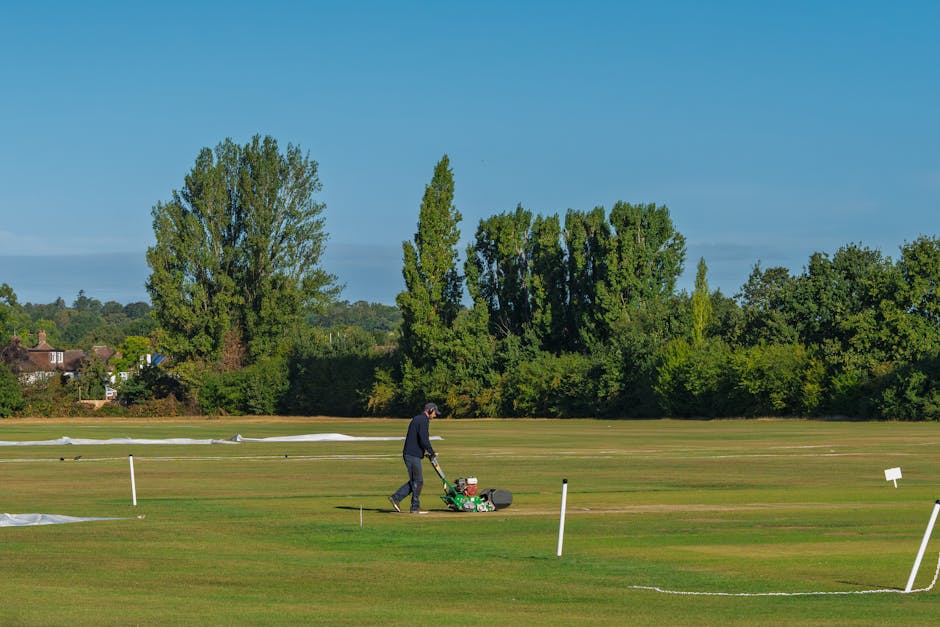
Best gardeners for Alexandra Recreation Ground plots Surbiton
If you are looking after an Alexandra Recreation Ground plot in Surbiton, you already know it is not quite the same as tending a back garden at home. The rhythm is different. The space may be shared, the soil may be a little tired, the wind can be fussier than you expect, and there is always that one patch that refuses to behave. Choosing the Best gardeners for Alexandra Recreation Ground plots Surbiton is really about finding people who understand those realities and can keep the plot productive, tidy, and enjoyable without overcomplicating it.
This guide breaks down how to choose well, what good plot care actually looks like, and which services are worth prioritising if you want a garden that feels calm, useful, and genuinely looked after. You will also find practical examples, a clear checklist, and a few common mistakes to avoid. Nothing fluffy. Just the useful bits.
Table of Contents
- Why Best gardeners for Alexandra Recreation Ground plots Surbiton Matters
- How Best gardeners for Alexandra Recreation Ground plots Surbiton Works
- Key Benefits and Practical Advantages
- Who This Is For and When It Makes Sense
- Step-by-Step Guidance
- Expert Tips for Better Results
- Common Mistakes to Avoid
- Tools, Resources and Recommendations
- Law, Compliance, Standards, or Best Practice
- Options, Methods, or Comparison Table
- Case Study or Real-World Example
- Practical Checklist
- Conclusion
- Frequently Asked Questions
Why Best gardeners for Alexandra Recreation Ground plots Surbiton Matters
Alexandra Recreation Ground plots are the kind of spaces that reward consistency. Miss a few visits and you can come back to weeds that have got ideas above their station, lawn edges that have blurred into the path, or hedges that suddenly look as if they have been left to their own devices for a season too long. A reliable gardener does more than trim and tidy; they help protect the whole plot from becoming a weekend catch-up job every time you visit.
In a plot setting, the best gardeners are the ones who understand balance. They know when to cut back hard, when to leave something to settle, and when a lighter touch will preserve structure without stripping away growth. That matters especially in communal or semi-shared growing spaces, where one heavy-handed visit can undo months of patient planting.
There is also the practical side. A plot near a recreation ground often faces a bit more exposure than an enclosed garden. Open space means more wind, faster drying, and sometimes a bit more wear from foot traffic, pets, or passing activity. If you want a plot that keeps looking cared for, the gardener needs to think beyond appearance and work with the actual conditions on the ground.
For a lot of people, the real goal is simple: less stress, better plant health, and a plot that feels inviting again. That is exactly where a thoughtful service such as garden maintenance can make a visible difference. And if your plot has become a bit tangled, there is no shame in that at all. It happens. More often than people admit, to be fair.
How Best gardeners for Alexandra Recreation Ground plots Surbiton Works
Good plot care usually starts with a proper look around. A capable gardener will assess the soil, the amount of sun and shade, drainage, existing planting, boundaries, access, and any awkward corners where weeds or moss like to settle. They will also ask what you want from the plot. Do you want crops, flowers, a tidy social space, low-maintenance greenery, or a mix of all three?
Once they understand the brief, the work is normally split into a few practical layers:
- Clear-up and reset - removing debris, pruning dead growth, and getting the plot back to a manageable state.
- Soil and planting support - improving tired beds, adding organic matter, and choosing plants that suit the conditions.
- Regular maintenance - mowing, weeding, hedge trimming, edging, watering guidance, and seasonal tidy-ups.
- Risk management - watching for storm damage, overgrown access, unsafe cuts, or plants that are spreading too aggressively.
For plots near open ground, seasonal timing matters more than people think. A summer visit can feel very different from a late autumn one. In July, you might be fighting growth spurts and dry soil. In November, the job may shift to protection, cutting back, and making sure anything tender has a fair shot through winter. A good gardener adjusts with the season instead of forcing a fixed routine onto a living space.
If a plot has hedging or boundary planting, the service may include specialist shaping or cutting. That is where a targeted page like hedge trimming becomes relevant, especially if you want a tidy boundary without losing the natural look of the plants.
Key Benefits and Practical Advantages
The biggest benefit is obvious: a plot that looks better. But the real value goes deeper than appearance.
1. Better plant health. Plants do better when weeds, pests, dead wood, and congestion are dealt with early. That is not glamorous, but it works. A plot can look fine from a distance while quietly struggling underneath.
2. Less long-term repair work. Regular care stops small issues from becoming large, annoying jobs. A patch of ivy left alone, for example, can take over supports, fences, and beds faster than you would expect. If that sounds familiar, the article on banishing ivy for good is worth a read.
3. Better use of limited space. Many plots have to do more than one job. You may want vegetables, flowers, a seating area, and a bit of storage-friendly structure. Good gardeners know how to layer those needs without making the plot feel crowded. Sometimes a simple layout beats a clever one. Actually, often it does.
4. More resilience in rough weather. Surrey weather can be kind one week and a nuisance the next. Wind, heavy rain, and cold snaps all affect open plots in ways that a sheltered home garden may not feel as sharply. Practical resilience planning helps a lot here, especially if you use guidance from storm-proof garden planning advice.
5. A calmer, more enjoyable space. There is something deeply satisfying about stepping into a tidy plot that smells of damp soil and clipped greenery instead of struggle. That mood matters. It is not just gardening; it is quality of time.
Who This Is For and When It Makes Sense
This kind of gardening support makes sense for several types of plot holder.
- Busy plot holders who cannot visit every week and need reliable upkeep between visits.
- New gardeners who want practical help learning what survives, what spreads, and what needs regular attention.
- Older gardeners who still enjoy the space but would rather avoid heavy lifting, awkward cutting, or repeated weeding.
- Families who want a productive plot but also a safe, welcoming space for children to see things grow.
- People restoring a neglected plot after a break, a move, or simply a hectic year.
It also makes sense if you are trying to simplify rather than expand. Not every plot needs to be packed with variety. A modest herb corner, a few dependable vegetables, a well-kept path, and some ground cover can be enough. If that feels like your sort of approach, these low-maintenance garden ideas are a sensible starting point.
And if your plot lives in a shadier pocket, or gets partial sun because of nearby trees or buildings, the right gardener should know how to work with that rather than fight it. There are good ways to use climbers, shade-tolerant planting, and vertical structure, as discussed in this guide to evergreen climbers for shaded spaces.
Step-by-Step Guidance
Here is a practical way to choose and brief the right gardener for an Alexandra Recreation Ground plot.
- Walk the plot first. Notice the obvious pain points: weeds, dry patches, broken edging, overgrown hedges, patchy lawn, or places where water pools after rain.
- Decide your priorities. Be clear about what matters most. Is it maintenance, restoration, planting design, or seasonal care?
- Ask about relevant experience. Plot work is not identical to domestic garden care. You want someone who understands open-air exposure, mixed planting, and practical working routines.
- Check how they approach maintenance. Good services should explain what happens weekly, fortnightly, monthly, or seasonally. If they can only give vague reassurance, that is not ideal.
- Review the service mix. For example, one job may call for lawn care, hedge trimming, weed control, tree work, or even boundary repairs. It helps to know what sits within the main plan and what is separate.
- Discuss access and equipment. Shared plots often need tidy working practices, sensible storage, and tools that suit smaller or tighter spaces.
- Agree on communication. A quick message after a visit, a before-and-after note, or a simple seasonal plan can keep everyone aligned.
When you are narrowing down options, it helps to speak to a provider that offers a broader range of gardening services so the same team can handle more than one issue. That usually saves time, and sometimes a bit of money too.
A small practical tip: if a plot has become messy, do not ask for everything at once if the budget or timing is tight. Break it into phases. Clear-up first. Soil and structure second. Ongoing care third. It is far less overwhelming, and truth be told, it produces better results.
Expert Tips for Better Results
A few habits make a big difference on shared or semi-public plots.
- Prioritise edges. Clean edges make a plot look cared for even before you notice the planting. Paths, beds, and borders benefit from a neat line.
- Use ground cover wisely. In the right spot, ground cover reduces weeds, keeps moisture in, and softens bare areas. It is one of those quiet wins. Nothing flashy, but very useful.
- Plan for wind. Open sites need sturdier planting choices, careful staking, and sometimes protective screening. If your plot feels exposed, take a look at smart gardening for windy conditions.
- Do not ignore the soil. Plants only look so good if the soil underneath is tired or compacted. A good gardener should talk about compost, mulching, and soil structure without making it sound like a lecture.
- Keep a simple seasonal rhythm. Spring for reset and planting, summer for watering and control, autumn for tidying and protecting, winter for pruning where appropriate and planning ahead.
If children use the plot with you, think safety first but keep the space joyful. A tiny bean tunnel, a strawberry patch, or a little corner for sensory planting can make the plot feel magical without turning it into a theme park. There is a nice balance there. Not too precious, not too wild.
And if you are building a pollinator-friendly or herb-heavy space, small details matter. Basil, thyme, mint, and chives are often more rewarding than ambitious exotics in everyday plot settings. If you want ideas, this herb garden guide is a handy companion.
Common Mistakes to Avoid
People often make the same few mistakes when hiring gardeners for plot care.
- Choosing purely on price. Cheap can be fine, but only if the work is actually suitable. A quick tidy that ignores the root problem often costs more later.
- Expecting one visit to fix everything. If the plot has been neglected, restoration usually takes stages. That is normal.
- Not clarifying boundaries. In shared settings, you need to know who is responsible for what. Otherwise jobs get missed or duplicated.
- Overplanting. Too many plants too close together leads to congestion, poor airflow, and more maintenance. It looks impressive for about five minutes, then becomes a headache.
- Ignoring access and storage. If tools, water, and waste removal are not thought through, the whole setup becomes harder to maintain than it should be.
- Skipping ongoing weed control. Once weeds seed, they set the agenda for you. Not ideal.
A lot of plot owners also underestimate how much a neglected space can improve with a strong first phase of work. If yours is in that state, reviving a neglected garden gives a realistic sense of how reset work can change things quickly.
Tools, Resources and Recommendations
The best gardeners do not always carry the biggest kit; they carry the right kit. For Alexandra Recreation Ground plots, practical tools often matter more than fancy ones.
Useful essentials include:
- hand trowels and dibbers for precise planting
- quality secateurs for clean pruning cuts
- loppers for thicker growth
- spades and forks for soil work
- tough gloves and protective footwear
- watering cans or hoses suited to the plot layout
- rakes, brooms, and bags for tidy finish work
It also helps when a gardener knows how to work with modern, smaller-space techniques. Even on a plot, vertical growing can free up room and create structure. If you are tight on floor space, the ideas in this vertical gardening guide can be adapted nicely.
For readers who want to compare practical services, it is often worth looking at lawn care and lawn mowing if grass forms part of the plot. If the space includes hard landscaping, patio cleaning can restore paths and sitting areas, while landscaping is useful where layout or structure needs a bigger rethink.
Not every plot needs all of that, of course. But knowing what is available makes it easier to build a realistic plan instead of improvising every month.
Law, Compliance, Standards, or Best Practice
Garden work on or near shared recreational plots should be carried out with sensible care, especially where other users may be present. In the UK, the important point is not usually complex paperwork; it is making sure work is safe, considerate, and appropriate to the space.
Good practice normally includes:
- using equipment responsibly and keeping work areas clear
- avoiding blocked access routes while work is in progress
- managing green waste properly
- following safe pruning and cutting methods
- checking that ladders, power tools, and lifting tasks are handled sensibly
If a gardener is undertaking higher-risk tasks, such as tree work or work at height, it is wise to check that the provider has suitable safety arrangements in place. For that reason, pages like insurance and safety and health and safety policy are worth reviewing before you proceed. You may not read every line, and that is fine, but you should feel confident the basics are covered.
If trees are part of the plot's perimeter or shade structure, tree surgery is something to leave to people who know what they are doing. Same with boundary issues. If a fence is unstable, the right repair matters more than the fastest one, and fencing services can help restore privacy and structure.
There is also a practical trust side. A company that is clear about terms and conditions, payment and security, and complaints procedure usually signals a more organised operation overall. That matters when you want the work done properly and without awkward surprises.
Options, Methods, or Comparison Table
Not every plot needs the same kind of gardening support. The right choice depends on the current state of the plot and what you want it to become.
| Approach | Best for | Strengths | Watch-outs |
|---|---|---|---|
| One-off reset | Neglected plots, seasonal clear-ups | Fast visible improvement, easier to start again | Needs follow-up or the plot can slide back |
| Regular maintenance | Active plots that need consistent care | Prevents overgrowth, keeps work manageable | Requires a realistic visit schedule |
| Soft landscaping support | Plots needing structure, planting changes, or layout help | Improves flow, planting balance, and visual order | Can be more expensive than basic upkeep |
| Specialist pruning or boundary work | Hedges, trees, dense climbers, fencing edges | Targets specific problems properly | May require extra safety checks or scheduling |
If I had to simplify it, I would say this: start with the least dramatic option that still solves the problem. People often jump straight to redesign when what they really need is a good tidy-up, better soil, and a sensible maintenance routine. Boring? Maybe. Effective? Absolutely.
Case Study or Real-World Example
Here is a realistic example from the kind of situation many plot holders recognise.
A Surbiton plot owner had not visited regularly for several months because of work and family commitments. By the time they came back, the pathways were half-hidden, the beds were packed with weeds, and a line of shrubs had started to lean into the main growing area. The plot was not ruined. It just needed attention and a plan.
The first visit focused on clearing access, removing dead material, and separating what was worth keeping from what was causing trouble. After that, the gardener improved the soil in the main beds, reshaped the boundaries, and suggested a simpler planting pattern so the owner could keep on top of things without needing heroic effort every week.
What made the biggest difference was not a dramatic redesign. It was the rhythm. Clear it. Set it right. Keep it tidy. A month or two later, the plot felt lighter, more open, and easier to use. You could hear birds more clearly, which sounds small, but it changes how a space feels.
That kind of practical restoration is also why it helps to choose a team with broader experience. If your plot needs more than routine care, learning about the team can give you a better sense of whether they are the right fit.
Practical Checklist
Use this quick checklist before booking the best gardeners for Alexandra Recreation Ground plots Surbiton:
- Have I walked the plot and noted the main issues?
- Do I know whether I need a one-off visit or ongoing maintenance?
- Have I checked whether the gardener understands plot-style work?
- Are my priorities clear: tidying, planting, recovery, or long-term care?
- Do I need help with hedges, lawns, paths, trees, or fencing?
- Have I thought about access, storage, and waste removal?
- Do I want a low-maintenance style going forward?
- Have I asked about safety, insurance, and working practices?
- Is there a simple seasonal plan I can follow after the visit?
- Have I made it easy for the gardener to understand what success looks like?
A good plot plan should leave you feeling lighter, not busier. If the advice adds calm and clarity, you are on the right track.
One more small but useful point: if you are planning seating, shade, or a modest social corner, do it after the main structure is under control. Otherwise you can end up decorating a problem. Been there, seen it, fixed it.
Conclusion
The best gardeners for Alexandra Recreation Ground plots Surbiton are not simply the fastest or the cheapest. They are the ones who understand shared outdoor spaces, open-site conditions, seasonal maintenance, and the reality of keeping a plot both useful and enjoyable. That means practical judgement, not just enthusiasm.
When you choose carefully, you get more than a tidy plot. You get a space that is easier to manage, more resilient in changing weather, and far more pleasant to spend time in. That is the real win. Not perfection. Just a plot that feels alive, ordered, and worth showing up for.
Get a free quote today and see how much you can save.
If you are ready to take the next step, start with a clear conversation, a realistic brief, and a gardener who respects the space as much as you do. That is usually where the good work begins.
Frequently Asked Questions
What makes a gardener suitable for Alexandra Recreation Ground plots in Surbiton?
A suitable gardener understands plot-style spaces, open-site exposure, shared access, and the difference between routine maintenance and full restoration. They should be practical, tidy, and comfortable working with varied planting.
Do I need a one-off garden tidy or regular maintenance?
If the plot is overgrown or messy, a one-off tidy may be the right first move. If it is already in reasonable shape, regular maintenance is usually better because it prevents the work from building up again.
Can gardeners help with neglected plots?
Yes. In fact, neglected plots are often where experienced gardeners add the most value. They can clear, assess, and rebuild the space in stages so it becomes manageable again.
What services are most useful for a plot in Surbiton?
For many plots, the most useful services are garden maintenance, hedge trimming, lawn care, lawn mowing, weed control, and occasional landscaping. The exact mix depends on how the plot is used.
How often should a plot be maintained?
That depends on growth rate, weather, and how ambitious the planting is. In busy growing periods, weekly or fortnightly attention may be helpful. In quieter months, less frequent visits can be enough.
Is hedge trimming important on plot boundaries?
Yes, especially if hedges or shrubs are starting to encroach on paths or growing beds. Neat boundaries improve access, airflow, and the overall look of the plot.
What if my plot gets a lot of wind?
Then the gardener should choose sturdier plants, use protective structure where needed, and avoid fragile arrangements that will keep collapsing. Wind exposure is common on open sites, so planning for it is wise.
How do I know if a gardener is trustworthy?
Look for clear communication, sensible expectations, transparent terms, and a straightforward approach to safety and payment. A trustworthy gardener explains what they will do and what they will not do.
Can a gardener help make the plot lower maintenance?
Absolutely. They can suggest ground cover, simpler planting combinations, smarter spacing, and easier routines. Often a few good decisions reduce future work far more than people expect.
What should I ask before booking?
Ask about experience with plot care, what is included, whether they handle hedge trimming or lawn care, how they manage waste, and whether they can give you a seasonal plan. Those answers tell you a lot.
Do I need to worry about insurance or safety?
Yes, especially for larger jobs or anything involving tools, ladders, or trees. It is sensible to check the provider's insurance and safety arrangements before work begins.
What is the best first step if my plot feels overwhelming?
Start with a walk-through and a list of the three biggest problems. That sounds simple, but it helps the gardener focus on what will make the biggest improvement first. Then build from there, one step at a time.