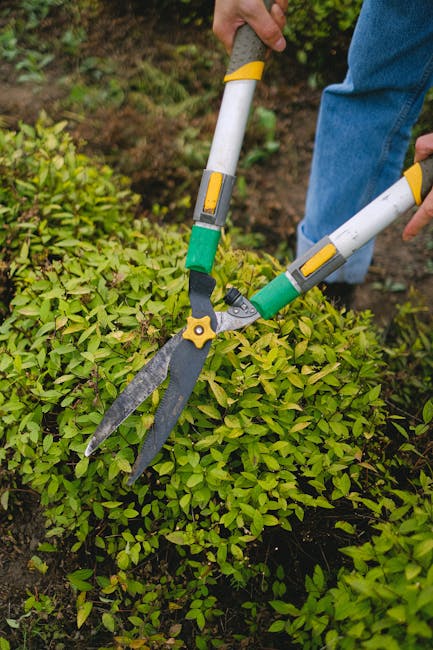
Gardeners near Surbiton Station quick callouts for urgent jobs

If you need gardeners near Surbiton Station quick callouts for urgent jobs, you probably need more than a polite appointment slot and a vague promise of "later this week". You need someone who can get there quickly, assess the damage, and start restoring order before the mess spreads. Maybe a hedge has collapsed across the path, a lawn has become a swamp after heavy rain, or ivy has decided it owns the fence now. It happens. And when it does, speed matters.
This guide explains how rapid-response garden help works, what counts as urgent, what to expect on the day, and how to choose the right service without rushing into a poor decision. You will also find a practical checklist, comparison table, and a few useful internal links if you want to explore related services and advice in more detail.
Why Gardeners near Surbiton Station quick callouts for urgent jobs Matters
Urgent garden jobs are rarely glamorous. They usually arrive with a bit of weather, a bit of panic, and a lot of inconvenience. A branch snaps, the front garden gets blocked, the lawn turns patchy and slippery, or the rear fence starts leaning after a windy night. If you are close to Surbiton Station, the real value of a quick callout is simple: less delay, less damage, less stress.
Speed is not just a convenience here. It can stop a small problem becoming a much bigger one. For example, a broken branch left hanging over a path can become a safety hazard. A heavy blanket of fallen leaves left on paving can become slick and messy. Even something that seems minor, such as a hedge with a broken face after a storm, can look untidy enough to affect how a property feels from the street. First impressions matter, especially if you are managing a rental, preparing for visitors, or trying to keep a home in good shape.
There is also a practical local angle. Around Surbiton, gardens tend to be used properly, not left as decorative backdrops. Families, pets, small patio areas, side return spaces, and compact lawns all need regular care. When something goes wrong, you want a gardener who understands that the job is not just "tidy it later". It is "fix it now before it turns into a week-long nuisance".
Expert summary: quick garden callouts are most valuable when they prevent safety issues, protect property appearance, and reduce the chance of a small seasonal problem escalating into expensive remedial work.
How Gardeners near Surbiton Station quick callouts for urgent jobs Works
A fast garden callout usually starts with a short phone conversation or message describing the issue. The best approach is to be plain and specific. Say what has happened, where the problem is, whether there is a safety concern, and how accessible the garden is. "Hedge blown over the front path" is much more useful than "garden needs help".
From there, the gardener will normally work out whether the job is suitable for same-day attendance, next-day attendance, or a booked urgent slot. Not every issue can be fixed instantly, to be fair. Some jobs need the right tools, a second pair of hands, or a proper disposal plan. But a good local team should be able to tell you quickly what is realistic.
On arrival, an urgent callout often follows a simple pattern:
- Initial assessment - identify risks, access issues, and the quickest route to a safe result.
- Containment - remove immediate hazards, such as loose branches, debris, or obstructive growth.
- Core task - complete the most important work first, whether that is cutting back, clearing, mowing, or stabilising.
- Tidy finish - leave pathways, entrances, and key surfaces usable again.
- Follow-up plan - flag anything that needs a second visit, seasonal treatment, or a longer-term fix.
That last part matters more than people think. A quick response is not meant to replace proper maintenance. It is meant to give you breathing room. If a border has become overgrown because it has been neglected for a few months, a same-day callout may restore order, but you may still need a fuller plan afterwards. For ongoing upkeep, many homeowners look at garden maintenance support or seasonal follow-on work rather than trying to solve everything in one frantic afternoon.
If the job involves hedges, overgrowth, or shaping after weather damage, it can also help to review hedge trimming services and the company's experience with more detailed shaping work. A fast callout is one thing. Doing it neatly is another.
Key Benefits and Practical Advantages
The biggest benefit is obvious: time. But the real value of urgent garden support is broader than that. It helps you protect the space, protect people, and protect your own weekend from disappearing into a pile of clippings. And let's face it, no one wants to spend Saturday wrestling a hedge with a borrowed pair of shears.
- Reduced safety risk - loose branches, unstable growth, and blocked paths can be dealt with promptly.
- Better kerb appeal - useful if you are expecting guests, a landlord inspection, or a property handover.
- Less spread of damage - overgrowth, ivy, and storm breakage can worsen quickly if left.
- Faster usability - paths, patios, and entrances become usable again sooner.
- Less physical strain - especially if the job involves heavy lifting, pruning, or repeated clearing.
- More confidence - when a knowledgeable gardener has assessed the problem, you can stop guessing.
Another underappreciated benefit is decision clarity. Urgent jobs often create a foggy feeling: should you prune now, wait for dry weather, or call a tree specialist? A decent quick-callout service helps separate immediate issues from longer-term projects. For example, a storm-damaged hedge may need an emergency cutback today, while a fuller reshaping can wait for a calmer, more appropriate appointment. That distinction saves money and avoids unnecessary work.
If you are dealing with stronger structural issues, a broader service can help too. You might need tree surgery for unsafe limbs, or fencing support if a panel has been damaged by wind. Urgent garden help is often a chain of practical decisions, not one isolated task.
Who This Is For and When It Makes Sense
Quick callouts are not only for emergencies in the dramatic sense. They are for anyone who needs the garden functional and respectable again, fast. That could be a homeowner, landlord, tenant, property manager, or someone preparing a house for sale. It also suits people who simply cannot wait for a standard appointment because the issue is getting in the way of daily life.
Here are common situations where urgent garden help makes sense:
- After strong wind has scattered branches, leaves, or broken growth across a driveway or path.
- When a hedge or shrub is blocking visibility near an entrance.
- When weeds, brambles, or ivy have suddenly taken over a small but important area.
- When a lawn has become overgrown just before an event, viewing, or inspection.
- When patio surfaces need clearing so people can safely walk across them.
- When a neglected space needs a quick reset before a more thorough plan is arranged.
It also makes sense for people with limited time or limited equipment. If you live in a flat with a balcony, a compact courtyard, or a narrow side garden, urgent issues can feel awkward because the space is small but the mess is not. In those cases, helpful ideas from balcony and container gardening advice or vertical gardening guidance can be useful once the immediate problem is under control.
Truth be told, many people only call urgently after putting things off for too long. No judgement there. Life gets busy. But if the garden has moved from "a bit untidy" to "something must be done today", then quick callout support is probably exactly the right next step.
Step-by-Step Guidance
If you want the fastest, cleanest result, approach the callout like a mini project rather than a panic call. You will get better answers, and the gardener can arrive better prepared.
- Identify the main problem
Start with the most urgent issue only. Is it safety, access, appearance, or damage control? One clear priority is better than a rambling list. - Take a few quick photos
Pictures help a gardener judge scale, access, and tooling needs. A photo in daylight is usually enough. - Check access
Gate width, side passages, parking, and whether there is space for waste removal all matter. A job can be urgent and still be awkward if access is tight. - Ask what can be done immediately
Some jobs need containment first, then follow-up work later. Ask for the fastest safe improvement rather than expecting perfection on the first visit. - Confirm disposal and finish expectations
It helps to know whether cuttings will be removed, stacked neatly, or left ready for garden waste collection. - Book any follow-on work while the issue is fresh
If the urgent visit reveals a bigger job, such as reshaping, lawn recovery, or boundary clearing, set the next step before you forget the details.
If the urgent work is mostly a result of overgrowth or neglected planting, it may be worth reading about reviving a neglected garden. That kind of reset often begins with one urgent callout and then settles into a more manageable plan.
Expert Tips for Better Results
There are a few things that make an urgent garden visit go much more smoothly. Small details, really, but they matter.
- Be specific about the hazard - "branch blocking front steps" is better than "garden is messy".
- Tell the gardener what must happen today - for example, clearing access to a gate, making a path safe, or restoring the front view.
- Separate urgent work from cosmetic work - if the hedge needs both a safety trim and a finer shape, say so.
- Ask about the method - some jobs can be cut and cleared quickly, while others need careful layering or staged pruning.
- Keep pets and children away from the work area - sensible, obvious, and still worth saying.
One practical tip many people miss: take note of what caused the problem. Was it wind exposure, weak growth, poor drainage, or a section that was already overextended? For example, gardens with open boundaries can suffer a lot in bad weather, so checking wind-resilient gardening ideas can help prevent repeat callouts later. Likewise, if climbing plants or ivy are part of the issue, a focused approach such as ivy removal guidance may be the smarter route than repeated trimming.
And a small human note: if you feel embarrassed by the state of the garden, don't. Gardeners see all sorts. A lot of the job is simply getting the space back to calm. That is the whole point.
Common Mistakes to Avoid
Urgent work can go wrong in boring, avoidable ways. Usually not catastrophic, just annoying. Still worth avoiding.
- Waiting too long - a manageable mess becomes a bigger, costlier one.
- Calling without a clear priority - this wastes time on both sides.
- Trying risky DIY first - if a branch looks unstable or a fence is leaning badly, step back.
- Assuming all garden tasks are the same - lawn recovery, hedge reduction, tree work, and patio clearance are different jobs.
- Ignoring recurring causes - if storm damage or weed regrowth keeps returning, the underlying issue needs attention.
- Forgetting the aftercare - a quick clean-up is not always enough without a follow-up plan.
Another common slip is asking for too much in one visit. You might want the hedge shaped, the lawn mown, the beds weeded, the ivy removed, and the patio washed. Fair enough. But if the garden is in rough shape, a smart gardener may advise a staged approach. That is usually a sign of good judgment, not reluctance.
If weeds are part of the urgent problem, the article on weed control tips is a useful companion read, especially if you want to stop the same patch from getting messy again next month.
Tools, Resources and Recommendations
A professional quick-callout visit depends on having the right equipment to hand. You do not need to own it, obviously, but it helps to understand what may be used. That makes the service feel less mysterious and helps you judge whether a provider is properly prepared.
| Need | Common approach | Why it helps |
|---|---|---|
| Blocked access | Clearing tools, pruning gear, wheelbarrow or debris bags | Restores safe movement quickly |
| Storm damage | Cut-back tools, secateurs, loppers, saws where appropriate | Removes hazards and prevents tearing |
| Overgrown hedge | Hedge trimmers, hand finishing, waste removal | Improves shape and access |
| Unkempt lawn | Reliable mower, edging tools, grass collection | Brings the garden back into order fast |
| Patio mess | Sweeping, scraping, washing or treatment, depending on the surface | Makes the area usable again |
For homeowners who are planning beyond the emergency, these pages can help you think ahead:
- lawn mowing support if the grass has grown far beyond a neat finish.
- lawn care advice and services if turf health is part of the problem.
- patio cleaning if slippery or stained paving is making the space awkward.
- broader gardening services if the urgent job is only the first step in a larger tidy-up.
For planning and transparency, it can also be helpful to review pricing and quotes information before you book. That way, you are not trying to decode things while the hedge is still half on the lawn.
Law, Compliance, Standards, or Best Practice
With garden work, especially urgent jobs, the main thing is safe, sensible practice. You do not need to turn the visit into a legal seminar, but it is wise to know the basics. In the UK, professional gardeners are expected to work safely, manage tools responsibly, and avoid creating hazards for occupants or neighbours. If the job involves trees, heavy cutting, or working near boundaries, good practice becomes even more important.
For customers, the sensible checks are straightforward:
- Confirm that the work will be carried out safely and with appropriate insurance where relevant.
- Make sure access routes are clear and that nobody is standing under unstable branches.
- Ask how waste will be handled, especially for larger cutbacks.
- Be clear if the site has pets, children, fragile surfaces, or restricted access.
- Request a staged solution if the issue looks too large for one hurried visit.
If a provider publishes clear internal policies, that is usually a good sign. It suggests the business has thought about health and safety, payment handling, and complaint resolution rather than winging it. The following pages can offer reassurance and context: insurance and safety, health and safety policy, terms and conditions, and payment and security.
One more thing: if you are arranging work quickly, keep communication clear. A brief written summary after the call can help avoid confusion. A "please clear the path, remove broken branches, and advise on next steps for the hedge" note is simple, but it does wonders. Plain English saves a lot of back-and-forth.
Options, Methods, or Comparison Table
Not every urgent job needs the same type of response. Sometimes you want a rapid clearance. Sometimes you need a structured repair. And sometimes you need both. Here is a simple comparison to help you decide what kind of help fits best.
| Approach | Best for | Typical result | Watch out for |
|---|---|---|---|
| Same-day callout | Blocked access, storm debris, sudden overgrowth | Fast safe clearance and basic restoration | May not include detailed finishing |
| Urgent next-day visit | Non-critical but time-sensitive jobs | Cleaner scheduling and more complete work | Not ideal if there is an active hazard |
| Staged repair plan | Heavily neglected or complex gardens | Safer, more durable improvement over time | Takes longer to complete |
| Specialist support | Trees, damaged fencing, structural issues | Better handling of technical risks | May be more specific in scope |
A quick callout is usually the best choice when your priority is getting back to normal fast. But if the situation keeps recurring, a broader plan may be smarter. For example, a hedge that keeps flopping over in wind may benefit from better shaping and structure, which is why guides like professional hedge shaping techniques can be worth a look after the urgent visit is done.
Case Study or Real-World Example
Picture a typical early-morning call after a windy night. A resident near Surbiton Station opens the front door and finds part of a shrub leaning into the pavement, with cuttings scattered across the step and driveway. Not dramatic enough for panic, but enough to make leaving the house awkward. There is a school run in half an hour, so waiting days is not really an option.
A quick-response gardener arrives, checks the site, and starts by clearing the path and removing the loose material first. The damaged growth is then cut back to a safer shape. The area is tidied, the access route is reopened, and the homeowner is told what should be monitored over the next few weeks. Not a glamorous story. But a useful one. The whole thing is handled before breakfast has gone cold.
In another common scenario, a neglected side return has become jammed with ivy, weeds, and dead debris. The first visit may focus on opening the passage and taking away the worst of the growth. Later, the homeowner can decide whether to pursue a fuller reset. That is often how it goes in real life: stabilise first, improve second, then finish properly when the pressure is off.
If the space is highly compact, the same logic applies to smaller homes and balconies too. A rapid clean-up on a tight footprint can make the whole property feel lighter, less crowded, and easier to live in.
Practical Checklist
Use this checklist before you call. It keeps the conversation focused and helps the gardener arrive ready.
- What is the urgent issue? Safety, access, damage, appearance, or all four?
- Where is it happening? Front garden, rear garden, path, patio, fence line, or boundary?
- Is anything unstable? Branches, hedges, fences, or slippery surfaces?
- Can you send photos? A few clear images save a lot of time.
- How quickly do you need it done? Today, tomorrow, or this week?
- Is there easy access? Gates, parking, side passages, and waste removal all matter.
- Are there pets or children onsite? Mention them early.
- Do you need waste removed? Say so before the visit.
- Do you want just a stopgap or a longer-term fix? Useful distinction.
- Have you reviewed follow-on options? Maintenance, hedges, lawn care, or patio cleaning may be the logical next step.
If the garden has turned into a proper tangle, a stronger reset might be easier if you first read about getting started with the basics or low-maintenance garden ideas. Sometimes the best urgent job is the one that sets up calmer months ahead.
Conclusion
When you need gardeners near Surbiton Station quick callouts for urgent jobs, the real goal is not just speed. It is control. A good urgent visit restores access, reduces risk, and gives the garden a fighting chance before the problem spreads. Whether you are dealing with storm debris, overgrown hedges, messy paving, or a space that has simply got out of hand, fast local help can make a very real difference.
Think of it as a reset, not a rush. The best quick callouts deal with the immediate issue cleanly and leave you with a sensible next step. That is what good garden work should do, really. Make things calmer. Make them usable. Make them feel manageable again.
Get a free quote today and see how much you can save.
If you are ready to talk through an urgent job, start with a clear description of the issue and be upfront about timing, access, and what matters most. A focused conversation now usually saves a lot of stress later, and that is worth its weight in compost.
Frequently Asked Questions
What counts as an urgent gardening job near Surbiton Station?
Anything that affects safety, access, or immediate usability can count as urgent. Common examples include storm debris, blocked paths, broken branches, collapsed hedge sections, and overgrowth that is causing a hazard.
Can a gardener really come out quickly for a same-day job?
Sometimes, yes. It depends on workload, travel time, the size of the job, and whether the work needs specialist equipment. If the issue is clear and the access is straightforward, quick attendance is much more realistic.
What should I tell the gardener when I call?
Give the location, the main problem, any safety concerns, and what outcome you need today. If you can mention access details and send photos, even better. Keep it short and specific.
Are urgent callouts more expensive than normal garden visits?
They can be, because the work often needs priority scheduling and a rapid response. That said, pricing varies by job type and scale, so it is sensible to ask for a clear quote before work begins.
Do urgent jobs always need to be finished in one visit?
No. Some problems are best handled in stages. A gardener may first make the area safe and usable, then return later for shaping, detailing, or broader maintenance.
What if my garden problem is actually a tree issue?
If the problem involves unstable limbs, heavy branch damage, or tree-related hazards, the right response may be more specialist. In that case, tree surgery support is often the better fit than general tidying.
Can urgent garden help include hedge cutting and lawn mowing?
Yes, if those tasks are part of the immediate problem. For example, a hedge blocking visibility or a lawn that has become difficult to manage before an event may be included in a quick callout.
Should I try to tidy up before the gardener arrives?
Only if it is safe and simple. Move light items, keep children and pets away, and clear a route if you can do so without risk. Do not climb ladders or handle unstable branches yourself.
How do I know if I need garden maintenance after the urgent visit?
If the same issues keep returning, or if the garden was already overdue for attention, ongoing maintenance is usually worthwhile. It prevents repeat problems and keeps the space easier to manage.
What kind of proof of professionalism should I look for?
Look for clear communication, a sensible quote process, sensible safety practices, and well-written policies. Insurance and health-and-safety information are reassuring too, especially for work involving tools, trees, or larger clearances.
Is urgent garden work suitable for small city gardens and balconies?
Yes, absolutely. Small spaces can become cluttered or overgrown just as quickly as larger ones, and sometimes more so. Urgent help is often very useful in compact courtyards, balcony planters, and narrow side returns.
What is the best next step if I am not sure how serious the problem is?
Take a photo, note the location, and ask for advice. A quick conversation usually reveals whether the issue needs immediate attendance, a short-term fix, or a planned visit. It does not have to be dramatic to be worth fixing.
Can urgent jobs help after bad weather?
Yes. Wind, rain, and winter conditions often create exactly the sort of problems that quick callouts are designed for. Clearing damage promptly helps stop a small weather event from becoming a lingering headache.
What if I want the garden to look better, not just safer?
That is common. Many urgent jobs begin with safety or access and finish with a much tidier appearance. If you want a more polished result, ask for that upfront so the gardener can plan the work accordingly.