Surbiton gardeners guide to Kingston Road properties and KT6
Kingston Road properties in KT6 have a very particular gardening character. Some homes have neat front plots that need crisp edging and reliable upkeep; others have narrow terraced gardens, shared access, mature trees, awkward shade, or front boundaries that take a battering from road dust and passing traffic. That mix can be brilliant, but it also means a one-size-fits-all approach rarely works. This Surbiton gardeners guide to Kingston Road properties and KT6 is built to help you make sensible decisions, whether you want a calmer front garden, a safer back garden, or just a space that stops feeling like a weekend chore.
In practice, the best results usually come from matching the garden plan to the property, not the other way round. A smart layout, the right planting, tidy hard surfaces, and a maintenance rhythm that fits local conditions can make a big difference. If you want a broader starting point, it helps to understand the range of gardening services available and how they support ongoing care rather than just one-off fixes.
Below, you'll find a clear local guide covering common garden issues on Kingston Road, what tends to work well in KT6, and how to approach maintenance without overcomplicating things. No fluff. Just the kind of advice that saves time, avoids costly mistakes, and makes the garden feel like a proper part of the home again.
Table of Contents
- Why Surbiton gardeners guide to Kingston Road properties and KT6 Matters
- How Surbiton gardeners guide to Kingston Road properties and KT6 Works
- Key Benefits and Practical Advantages
- Who This Is For and When It Makes Sense
- Step-by-Step Guidance
- Expert Tips for Better Results
- Common Mistakes to Avoid
- Tools, Resources and Recommendations
- Law, Compliance, Standards, or Best Practice
- Options, Methods, or Comparison Table
- Case Study or Real-World Example
- Practical Checklist
- Conclusion
- Frequently Asked Questions
Why Surbiton gardeners guide to Kingston Road properties and KT6 Matters
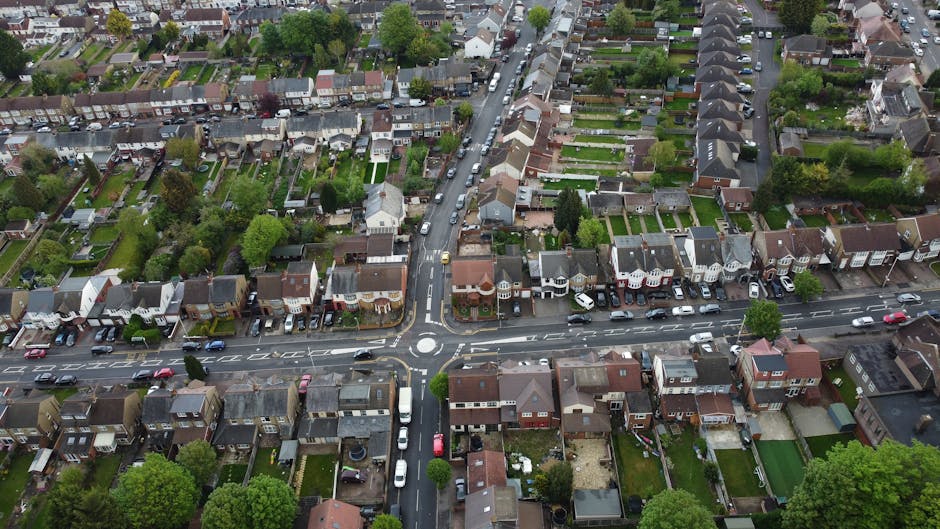
Kingston Road sits in a part of KT6 where gardens can change character from one frontage to the next. You might have a classic Victorian terrace with a modest front garden, a semi-detached home with a side return, or a more modern property that leans on patio space and containers. That variation matters. A planting scheme that looks lovely in a sheltered rear courtyard can fail quickly at the front if it faces wind, shade, and a fair amount of urban wear.
The reason a local guide matters is simple: Surbiton gardening is about responding to real conditions. In this stretch of KT6, you often see compact plots, mature hedging, clay-heavy or compacted soil in some gardens, and boundary pressure from neighbours, fences, or access routes. If the front garden looks tired, the whole property can feel less welcoming. And if the rear garden is cluttered or overgrown, you lose usable outdoor space that should be doing more for you than storing half a wheelbarrow and a few forgotten pots.
There's also a practical side to this. Properly maintained gardens can improve kerb appeal, support privacy, reduce nuisance growth, and make the property feel easier to live with. For owners, landlords, and even tenants who just want a manageable outdoor space, a targeted plan tends to outperform random weekend trimming. Truth be told, that's where many gardens go wrong: they get attention in bursts, then ignored for weeks. The result? More work later.
On Kingston Road especially, small decisions compound quickly. A hedge that's trimmed little and often can stay elegant; the same hedge left too long can swallow light and block sightlines. A patio that is cleaned regularly can feel like an extra room. A lawn that is fed, edged, and cut properly can make a whole garden look ordered, even if the planting is fairly simple. That's why local knowledge counts.
If you're already thinking about hedge structure and boundary control, the guidance in hedge trimming and the practical shape ideas in hedge shaping ideas can be especially useful for Kingston Road frontages where presentation matters.
How Surbiton gardeners guide to Kingston Road properties and KT6 Works
The best approach starts with a simple property-by-property assessment. Not glamorous, but effective. A good gardener or garden plan will look at light, access, drainage, soil condition, garden size, the age of the planting, and how you actually use the space. A family with children will need a different layout from someone who wants a quiet, low-maintenance retreat and a place for occasional seating. Makes sense, really.
For Kingston Road properties, the process usually works best in layers:
- First layer: clean-up and structure - removing clutter, cutting back overgrowth, and defining the edges.
- Second layer: repair and protection - dealing with damaged turf, tired soil, ivy, unstable fencing, or weather-exposed plants.
- Third layer: design and maintenance - selecting plants and materials that are realistic to keep tidy through the year.
That layered approach matters because it prevents the common trap of over-designing before the garden is stable. A beautiful planting scheme will not perform well if the soil is compacted or the boundary fence is wobbling after a windy week. For some homes, you also need to think about vertical space. Slim plots, side returns, and shaded back gardens often benefit from climbers, trellis work, or clever screening. You can see the possibilities in vertical gardening ideas and the useful shade-focused advice in evergreen climber solutions.
In day-to-day terms, a good local gardening plan also coordinates the boring jobs that make a garden work: lawn care, weed control, hedge maintenance, pruning, waste removal, and occasional deeper fixes such as fencing or patio cleaning. There's nothing dramatic about those jobs. But together, they create the difference between a garden that "needs sorting" and one that feels looked after.
If you're unsure how much support you actually need, a short discussion with an experienced local team can help shape the scope. That's often the moment when things become clearer, especially for busy households. You can always start with about us if you want to understand the approach, or head straight to contact the team when you're ready to talk through the property.
Key Benefits and Practical Advantages
A tailored gardening approach for Kingston Road homes does more than make the place look tidy. It improves how the property functions. That's the real win.
- Better kerb appeal: front gardens and boundary planting shape the first impression before anyone reaches the door.
- More usable space: careful pruning, patio cleaning, and layout changes can make small gardens feel bigger.
- Less ongoing stress: low-maintenance planting and sensible upkeep reduce the "it's getting away from me" feeling.
- Improved privacy: hedges, screening plants, and boundary work can soften overlooking without making the garden feel boxed in.
- Healthier growth: soil care, feeding, and better watering routines lead to stronger plants and fewer losses.
- Safer access: clear paths, stable paving, and controlled overgrowth lower the chance of slips or awkward movement around the garden.
There's also a subtle but important emotional benefit. A well-run garden changes the rhythm of a home. You look out and feel less nagged by the space. That matters more than people admit. A tidy front path, a clipped hedge, a bit of seasonal colour near the entrance - suddenly the house feels settled. Small thing, big effect.
For properties with lawns that are looking patchy or uneven, a focused care routine can be much more effective than sporadic cuts. If that sounds familiar, the lawn care and lawn mowing services are worth considering, especially where front and rear lawn areas need different treatment.
And for homes where hard landscaping has begun to dominate the garden, a combination of patio cleaning, decking maintenance, and planting balance can bring the space back to life. It doesn't have to be extravagant. Often the best outcome is simply a garden that feels coherent again.
Who This Is For and When It Makes Sense
This guide is useful for a few different kinds of property owners and residents in KT6. If your home sits on or near Kingston Road, you may recognise yourself in one of these groups:
- Busy homeowners who want a garden that looks good without constant weekend work.
- Landlords who need the outside space to stay presentable between tenancies.
- Families who need safer, more usable gardens for play, eating, and everyday living.
- Older residents who prefer reliable maintenance over physically demanding tasks.
- New movers dealing with a neglected or unfamiliar garden and not knowing where to start.
- Design-led homeowners who want the outside space to match the standard of the home inside.
It also makes sense if you're facing a seasonal problem rather than a total redesign. Maybe the hedges have become too thick after a mild winter. Maybe a shady corner has turned mossy and underused. Maybe ivy has decided, without invitation, to make itself at home. Happens more than you'd think. For that kind of issue, the advice in banishing ivy for good and weed control tips can be especially handy.
If your garden is exposed to gusty corners or feels battered after rough weather, the timing matters too. In those cases, a more protective approach is often sensible. The guide on weathering wind challenges and the broader advice on fortifying your garden against harsh conditions are good companions to this local article.
Ask yourself one simple question: do you want the garden to be something you manage, or something that manages you? That usually tells you when it's time to bring in a stronger plan.
Step-by-Step Guidance
If you're tackling a Kingston Road garden properly, this is the order that tends to work best. It's practical, and it keeps you from wasting effort on the wrong thing first.
- Start with a clear walk-through. Look at the garden from the house, the path, and the boundary. What stands out? What blocks light? What feels tired, unsafe, or overgrown?
- Sort the structural issues first. That might mean pruning, hedge reduction, ivy removal, fence repair, or getting the patio clean enough to assess properly.
- Deal with the soil and ground level. Compacted, dry, or exhausted soil will limit everything else. A bit of organic matter can do more than many people expect. See also enriching soil through organic waste.
- Decide whether the lawn is worth saving. Some lawns need renovation, while others are better replaced with lower-maintenance planting or ground cover.
- Choose plants based on conditions, not wishful thinking. Shade, wind, and access all shape the shortlist. For limited-space gardens, compact planting and container options can be smarter than cramming in too much.
- Set a realistic maintenance routine. Little and often usually beats a heroic annual overhaul. The garden should suit your week, not the other way around.
- Finish with edges and finishing touches. Clean lines, sharp borders, and a few well-placed plants or seating areas change the whole feel.
One useful rule: don't add more planting until the garden's bones are right. It's tempting to buy colourful plants and hope for the best. We've all been there. But a garden with poor drainage, wonky fencing, or a patio covered in algae won't suddenly behave because you added a few lavender pots.
For smaller properties or homes with limited ground space, it can be smart to combine containers with vertical planting. The article on container gardening and the advice on urban vertical gardening show how much can be done without crowding the ground.
Expert Tips for Better Results
Here are the details that often separate a decent result from a really good one.
- Trim hedges with their long-term shape in mind. A hedge should be narrower at the top than the base, otherwise the lower growth gets starved of light. Simple, but easy to get wrong when you're in a hurry.
- Use plant height for privacy, not bulk alone. A slim, upright screen is often more effective than a wide, heavy shrub that eats the garden.
- Match materials to usage. If the patio is used daily, prioritise cleanable surfaces and regular maintenance. If it's decorative, you can be a bit more experimental.
- Keep seasonal change in mind. A garden that looks good in May may feel sparse in January unless evergreens or structure plants are in place.
- Think in layers. Ground cover, mid-height planting, and occasional taller features usually create a more settled look than a random mix of one-off plants.
Another tip: do not underestimate path edges and borders. It sounds dull. It really does. But crisp edges can make a garden look ten times more intentional. A slightly uneven lawn with well-defined borders often looks better than a flawless bed hidden behind chaos at the edges. Funny how that works.
If you are aiming for a more private or softly enclosed feel, the hedging guide fast-growing hedging options offers useful planting direction, while the page on professional hedge shaping techniques helps explain why the finishing cut matters so much.
For family gardens, safety and ease of movement matter too. That includes making sure toys, bikes, bins, and tools have a home. A garden can look beautiful and still be awkward if everything is just "put down for now". And let's face it, "for now" can become three seasons very quickly.
Common Mistakes to Avoid
Most garden problems on Kingston Road do not come from one dramatic failure. They come from a handful of repeat mistakes.
- Overplanting small spaces. Too many plants create clutter, shade, and maintenance headaches.
- Ignoring access routes. Side paths and gate lines need to stay practical, not just pretty.
- Letting ivy or climbers run unchecked. Climbing plants can be lovely, but they need a firm hand.
- Choosing plants for appearance alone. A plant that looks brilliant in a pot shop may hate your garden's light or wind exposure.
- Skipping routine maintenance. Waiting until everything is overgrown is expensive in time and money.
- Forgetting winter damage. Some plants look fine in summer and then collapse when the cold or wet sets in.
There's also a subtle mistake many people make: trying to fix the whole garden in one weekend. Ambition is fine. But a rushed overhaul can lead to poor plant placement, unnecessary waste, and a slightly panicked trip to buy more compost than anyone really wanted. It's better to sequence the work.
Before you begin any major change, it can help to review essentials like beginner gardening essentials and the more practical low-maintenance garden ideas. Even experienced gardeners benefit from a reality check now and then.
Tools, Resources and Recommendations
You do not need every gadget under the sun. A few reliable tools, used properly, will get you much further.
- Sharp secateurs: for clean pruning and deadheading.
- Long-handled shears or hedge trimmers: useful where hedges need neat, even lines.
- Rake and fork: for clearing debris and improving topsoil.
- Spade and border fork: essential for digging, edging, and bed preparation.
- Wheelbarrow or sturdy garden bags: for waste and heavy material movement.
- Gloves and protective eyewear: especially for thorny, woody, or overhead work.
On the planning side, there are a few resources worth revisiting when a Kingston Road garden needs to be made more manageable:
- garden maintenance for ongoing upkeep and seasonal care
- patio cleaning for hard surfaces that are looking tired or slippery
- tree surgery when branches, canopy spread, or safety concerns need attention
- fencing for boundary privacy, wind protection, and garden definition
- landscaping if the layout itself needs a more substantial rethink
For a few homes, especially those with children or pets, garden planning also needs a slightly more careful eye. The article on dog-safe garden design is a useful reminder that attractive and practical can absolutely coexist. Same with the family-friendly advice in playful garden ideas for kids.
Law, Compliance, Standards, or Best Practice
This isn't a legal guide, but there are a few sensible best-practice points that matter in everyday garden work around KT6.
First, safety. Any work involving ladders, power tools, heavy lifting, or tree work should be approached carefully. Reputable gardeners typically follow sound health and safety procedures, use appropriate protective equipment, and avoid taking unnecessary risks. If you are hiring help, it is reasonable to ask about their approach to safety and insurance before work begins. That's just common sense. The same applies whether the job is hedge reduction, border clearance, or patio repair support.
Second, neighbour awareness. On a tight street, a hedge or tree line can affect shared light, access, and boundaries. It is usually better to check what sits on your side, what is shared, and what may need a conversation before any heavy cutback. A quick, polite chat can prevent a lot of awkwardness later.
Third, waste and tidy disposal. Garden cuttings, soil, and bulky material should be handled responsibly. If a contractor is working on site, a proper tidy-up is part of the job, not a bonus. The same goes for keeping paths clear while work is underway, particularly on properties where access is narrow or there are children and pets around.
For service standards and customer process, it can also help to understand the practical pages covering health and safety, insurance and safety, terms and conditions, and complaints procedure. None of that is exciting, granted. But it does tell you a lot about how a provider operates.
It is also sensible to review how payments, bookings, and quote handling are managed. Clear processes make a service feel calm and professional, which is exactly what you want when a garden project is already disrupting your week. See payment and security and pricing and quotes for that side of things.
Options, Methods, or Comparison Table
For Kingston Road gardens, the right method depends on your space and your priorities. Here's a plain-English comparison that helps narrow it down.
| Approach | Best for | Main advantage | Watch out for |
|---|---|---|---|
| Regular maintenance | Established gardens that already have a decent layout | Keeps everything tidy with less disruption | Can hide deeper issues if no seasonal review is done |
| Partial refresh | Gardens that are mostly fine but have tired beds, poor edges, or overgrown sections | Good balance of cost, impact, and speed | Needs a sensible plan or it can become patchy |
| Full redesign | Neglected, awkward, or badly used spaces | Solves layout problems and can transform how the garden feels | More time, more decision-making, and a higher commitment |
| Low-maintenance planting | Busy households and smaller urban plots | Less ongoing work, easier seasonal care | Needs careful species selection so it doesn't look sparse |
| Structural boundary work | Homes needing privacy, wind control, or better definition | Improves both function and appearance | Must be planned around access, neighbours, and existing growth |
If you want the simplest rule of thumb: maintenance is for holding steady, a partial refresh is for regaining control, and redesign is for changing the way the garden works. Not every property needs the big rethink, to be fair. Sometimes the answer is just better edges, better pruning, and a cleaner surface.
Case Study or Real-World Example
Here's a realistic Kingston Road scenario. A homeowner in KT6 has a narrow front garden, a modest rear space, and a hedge that has grown unevenly over a couple of seasons. The back patio is stained and a little slippery in damp weather, while the lawn is thin near the fence due to shade and general neglect. Nothing dramatic, but the whole property feels weary.
The sensible plan would not begin with buying new plants. It would begin with structure:
- Cut back the hedge to restore shape and light.
- Clean the patio so the space feels usable again.
- Clear weeds and rebuild the borders.
- Assess whether the lawn needs repair or replacement in shaded areas.
- Add a few shade-tolerant plants and a small seating zone so the garden becomes inviting rather than just maintained.
In a real job like this, people often feel relief after the first stage alone. You can almost see the garden exhale. There's the smell of fresh cuttings, the sound of gravel or paving underfoot, and suddenly the place stops looking apologetic. If the rear space remains awkward, climbers or screening could help define it. If the front garden needs seasonal interest, compact planting or a couple of well-placed containers can lift it quickly.
That kind of outcome is not about a dramatic makeover. It's about careful sequencing. And yes, a bit of patience. Gardens usually reward that.
Practical Checklist
Use this quick checklist before starting work on a Kingston Road property in KT6:
- Have you identified the main problem: maintenance, layout, privacy, shade, or neglect?
- Do you know which areas get full sun, partial shade, or deep shade?
- Are there fences, trees, hedges, or climbers that need structural attention first?
- Is the patio, path, or deck safe and clean enough to assess properly?
- Have you checked whether the lawn is worth repairing or should be simplified?
- Do your plant choices suit the site rather than just your preference at the garden centre?
- Is there a clear plan for pruning, edging, feeding, and seasonal upkeep?
- Do you need help with waste removal, safety, or access issues?
- Have you thought about privacy, wind exposure, and neighbour boundaries?
- Will the finished garden be easier to live with next month, not just nicer today?
If you can answer "yes" to most of those, you're on the right track. If not, that's fine too. It just means the garden needs a bit more thinking before the digging starts.
Get a free quote today and see how much you can save.
Conclusion
Gardening on Kingston Road in KT6 is rarely about grand gestures. It is usually about making good decisions in the right order: clear the clutter, fix the structure, choose plants that actually suit the conditions, and keep the maintenance realistic. Do that, and even a small or awkward garden can become one of the best parts of the property.
The point of this Surbiton gardeners guide to Kingston Road properties and KT6 is not to overwhelm you with options. It's to help you see what matters first. Light, access, boundaries, upkeep, and the everyday way you use the space - those are the levers that change everything.
If you're ready to move from "we should really sort the garden" to a proper plan, start with the most practical next step. A quick conversation, a clear quote, and a realistic scope can save a lot of time later. And honestly, a garden that feels calm and cared for has a way of improving the whole home. It's one of those small victories that quietly sticks.
Frequently Asked Questions
What makes Kingston Road gardens in KT6 different from other Surbiton properties?
They often combine tighter urban plots, mixed light conditions, mature boundaries, and a strong need for kerb appeal. That means the garden plan usually needs to balance presentation with practicality, rather than focusing on planting alone.
How often should a Kingston Road garden be maintained?
It depends on the size and style of the garden, but most properties benefit from regular little-and-often maintenance. Hedges, lawns, and borders tend to stay more manageable when reviewed seasonally rather than left until they become a big job.
Is low-maintenance gardening a good idea for KT6 homes?
Yes, especially for busy homeowners, landlords, or anyone with a compact garden. Low-maintenance planting, sensible edging, and simple ground cover can keep the space tidy without demanding constant attention.
What should I do first if my garden is badly overgrown?
Start with clearance and structure. Remove obvious congestion, cut back overgrowth, assess hedges and fences, and only then think about new planting. A garden that is out of control needs order before decoration.
Can a small Kingston Road garden still feel private?
Absolutely. The right hedge, climber, trellis, or boundary planting can create privacy without making the space feel cramped. Upright growth and layered screening often work better than bulky shrubs.
What are the most common mistakes people make with local garden care?
Overplanting, poor hedge shaping, ignoring soil condition, and leaving maintenance too long are the big ones. Another common issue is choosing plants that suit a magazine photo rather than the actual site conditions.
Do I need professional help for hedge trimming or tree work?
If the hedge is tall, the shape is uneven, or trees are involved, professional help is often the safer choice. Anything that needs ladders, saws, or awkward access is worth handling carefully.
How can I improve my garden without a full redesign?
Focus on the visible basics: tidy edges, better pruning, cleaned paving, healthier lawn care, and a few well-chosen plants. Small upgrades can have a surprisingly big effect when the garden already has decent bones.
What type of garden works best for families in KT6?
A family garden usually needs clear movement space, safe surfaces, sturdy planting, and areas that can be both played in and relaxed in. Practicality matters, but you can still make it attractive and welcoming.
Are patio cleaning and decking services worth it for older properties?
Often, yes. Hard surfaces can become slippery, stained, or simply dull over time. A clean patio or refreshed deck can make the whole outdoor space feel more usable, especially when the rest of the garden is already in decent shape.
How do I know whether to keep my lawn or replace it with planting?
If the lawn is patchy, shaded, difficult to mow, or expensive to keep healthy, it may be worth simplifying the space with planting or ground cover. If it gets regular use and still has good structure, lawn care may be the better route.
Where should I start if I want help with my Kingston Road property?
Start by identifying the main issue: maintenance, privacy, hard surfaces, boundaries, or a full refresh. Then speak to a local team who can look at the space properly and help you choose the right scope. A short conversation often saves a lot of guesswork later.